Ask the Dentist
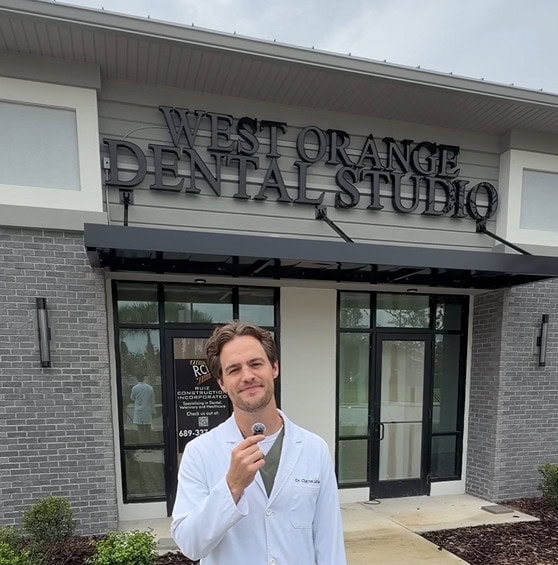
October is National Dental Hygiene Month, and with Halloween candy just around the corner, it’s the perfect time to talk about healthy smiles. We sat down with Dr. Clayton Little, Navy veteran and founder of West Orange Dental Studio in Oakland, to get his straightforward answers to the questions families ask most.
Questions and Answers
1. If someone could do 3 things for their dental health today, what would they be?
Dr. Little: First, brush twice a day for two full minutes with a fluoride toothpaste. Second, clean between your teeth once a day with floss or a water flosser. Third, I won’t say always drink water… but if it’s not mealtime, water should be your go-to.
2. How many times do you REALLY need to brush your teeth in a day?
Dr. Little: For 99.9% of people…. it’s twice: once in the morning and once right before bed, before bed being the most important. A dental professional who really knows the intricacies of tooth surfaces could probably get away with only brushing at night and never have a cavity.
3. What do you think is the biggest misconception or myth in oral health?
Dr. Little: That if nothing hurts, nothing is wrong. Cavities and gum disease usually don’t hurt. There are even some bacteria out there, Porphyromonas gingivalis for example, that suppress your inflammatory response so that you don’t feel any pain.
4. How often do you REALLY need to visit the dentist?
Dr. Little: For most people, every six months is the right rhythm for a cleaning and exam. Some people need to come more often, like those with a history of gum disease, diabetes, or frequent cavities, and your dentist can tailor that to you. The key is not waiting until something hurts.
5. What are your top tips for getting kids to brush their teeth properly?
Dr. Little: There are so many here and I wouldn’t have time to review them all. The two-brush strategy where the kid holds one toothbrush and the parent brushes the teeth with a separate one is a great strategy. This is mainly because parents should still help or do a final pass until kids are around 7 or 8. Younger children don’t yet have the hand coordination to clean every surface. Bonus: Use a 2-minute toothbrush timer YouTube video they can watch.
6. How can we enjoy our favorite treats but still maintain oral health?
Dr. Little: It’s less about how much sugar you eat and more about how often. Enjoy treats with a meal or in one sitting rather than snacking on them all afternoon, since every sip or nibble restarts the acid attack on your teeth. Drink water afterward, and choose chocolate over sticky or sour candies that cling to teeth. Sugar-free gum after a treat helps too.
7. What is the correct way to brush and floss?
Dr. Little: Brush: angle a soft-bristled brush at 45 degrees toward the gumline and use gentle, short circles on the outside, inside, and chewing surfaces of every tooth for two minutes. Don’t scrub hard; pressure wears down gums and enamel. Floss: wrap it into a “C” shape around each tooth and slide it gently up and down just below the gumline on both sides, rather than just snapping it in and out.
8. How often should I actually change my toothbrush?
Dr. Little: Every three to four months, or sooner if the bristles look frayed. It’s also a good idea to replace it after you’ve been sick.
9. Is an electric toothbrush really better than a manual one?
Dr. Little: For most people, yes. Research shows powered toothbrushes, especially the oscillating-rotating type, remove more plaque and reduce gum inflammation better than manual brushes. And the two-minute timer is a game-changer.
10. What causes chronic bad breath, and how can I fix it?
Dr. Little: Most bad breath starts in the mouth: bacteria on the back of the tongue, food trapped between teeth, gum disease, or a dry mouth. Start by brushing or scraping your tongue, cleaning between your teeth daily, and staying hydrated. Mouthwash only masks it for a little while. If it sticks around despite good habits, see your dentist, since it can point to gum disease, a hidden cavity, or occasionally a medical issue like reflux or sinus problems.
11. How can I safely whiten my teeth?
Dr. Little: Start with a dental exam and cleaning, because whitening works best on clean, healthy teeth. Dentist-provided trays or in-office whitening give the best and most predictable results. Some sensitivity is normal and temporary.
12. How is oral health connected to overall body health (like heart disease or diabetes)?
Dr. Little: Your mouth is a window into the rest of your body. Gum disease is chronic inflammation, and research links it with heart disease, stroke, and pregnancy complications. The connection with diabetes goes both ways: diabetes raises the risk of gum disease, and untreated gum disease can make blood sugar harder to control.

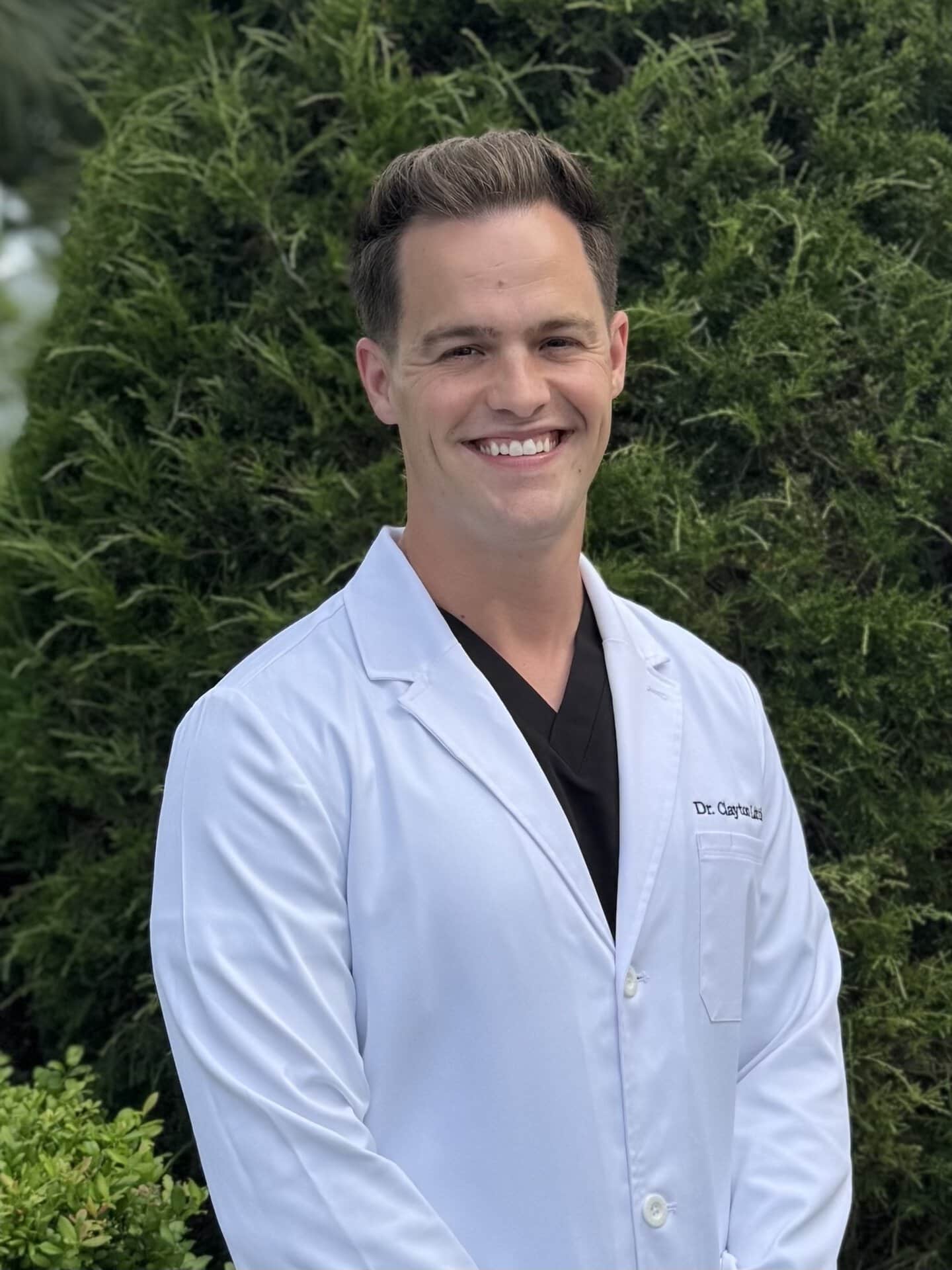
Dr. Clayton Little, DMD
Founder of West Orange Dental Studio
West Orange Dental Studio
136 Southern Railway, STE B, Oakland, FL 34787
407-205-2468
westorangedentalstudio.com
Instagram / Facebook: @westorangedentalstudio
Dr. Clayton Little, DMD, is the founder of West Orange Dental Studio, a general and family dental practice in Oakland, Florida. He earned his Doctor of Dental Medicine from the Medical University of South Carolina in 2020 and served five years as a dentist in the U.S. Navy, including an Advanced Education in General Dentistry residency at Camp Lejeune, where he was named Resident of the Year. Dr. Little believes great dentistry should feel comfortable, unhurried, and personal, and he is proud to bring that care to families in the West Orange community.
Dr. Clayton Little, DMD | Florida License DN24989